
Our Hypothesis
We hypothesize that the dynamic reorganization of the actin cytoskeleton is a central, yet underexplored, driver of “inflammaging” in human skin. As skin ages, alterations in actin structure and motor protein activity do not merely change cell mechanics; they actively regulate the critical crosstalk between DNA damage repair, cellular senescence, and inflammatory signaling. We propose that these cytoskeletal shifts compromise genomic stability, drive the secretion of inflammatory factors, and weaken the skin’s defense against infections.
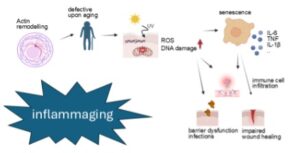
Figure 1: The potential role of the actin cytoskeleton during skin photoaging and inflammaging
What We Found So Far
Our preliminary data establish that the actin cytoskeleton is a functional regulator of how aging cells respond to stress and senescence:
Cytoskeletal Control of DNA and Inflammation: We demonstrated that actin dynamics directly influence the cellular inflammatory response and DNA damage signaling. Specifically, modulating actin polymerization significantly alters the expression of key inflammatory cytokines and impacts the efficiency of the DNA damage response in keratinocytes.
A Novel Cytoskeletal Regulator Influences Cellular Aging: We discovered a previously unrecognized connection between a specific cytoskeletal-associated factor and the initiation of cellular senescence. This factor was observed to associate with nuclear microtubule networks that participate in stress signaling. Notably, depletion of this factor results in a significant accumulation of PML bodies, critical hubs in the senescence pathway, suggesting that structural components of the cytoskeleton exert active control over nuclear mechanisms governing aging.
What’s Next
To fully understand these mechanisms, our collaborative effort will execute a multi-dimensional research plan:
Comparative Analysis: We will systematically compare young and aged primary skin cells to determine how age-related changes in the cytoskeleton affect DNA repair efficiency and inflammatory potential.
Mapping the Inflammatory Secretome: We aim to map how the actin cytoskeleton drives the secretion of inflammatory factors (the SASP) during aging, identifying key molecular switches that maintain chronic inflammation.
Infection and Immunity: We will investigate why aged skin is uniquely vulnerable to drug-resistant bacterial infections, exploring how age-altered actin dynamics facilitate bacterial entry and compromise the production of antimicrobial defenses.
Mechanistic Discovery: We will elucidate the precise molecular machinery by which structural elements in keratinocyte regulate the transcription of the senescence program, providing a deeper understanding of how physical cellular components control gene expression.
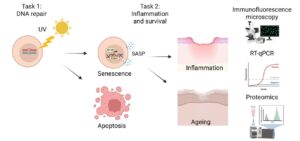
Figure 2: Experimental plan to test the influence of the actin cytoskeleton on skin ageing via the DNA Damage Response (DDR) and cell fate determination.
Why It Matters
Age-related skin deterioration compromises barrier integrity and increases susceptibility to chronic inflammation and infection. By identifying the actin remodeling and structural proteins as central regulators of this process, we uncover new therapeutic targets that go beyond traditional approaches. This project offers a holistic view of skin biology, integrating structural biology, genomics, and immunology to develop strategies that could restore genomic stability, reduce chronic inflammation, and enhance host defense in the elderly.
Principle Investigators
· Prof. Dr. Hans-Peter Wollscheid, Department of Biology, IMB (person of contact email)
· Prof. Dr. Daniela Kramer, Department of Dermatology, University Medicine Mainz
· Prof. Dr. Markus Christmann, Department of Toxicology, University Medicine Mainz
